
Joana Ramalho
Perinatal physiotherapist

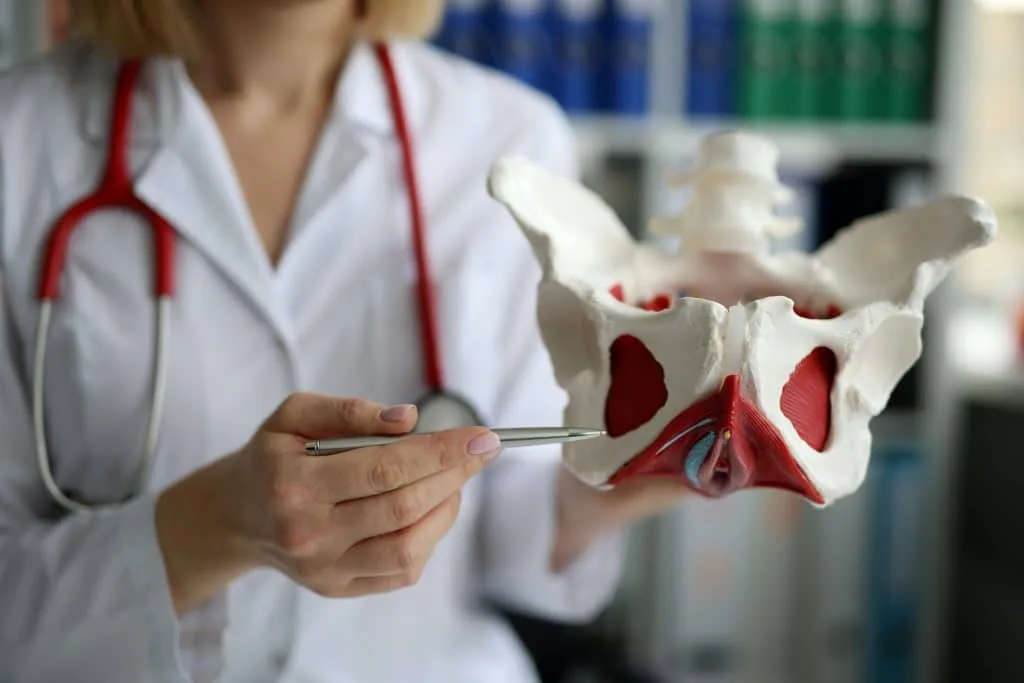
Understand pelvic physiotherapy during or after pregnancy: useful questions, what to expect at a first appointment and arrangements at Rebalance.
Would you like to discuss pelvic floor concerns, care during pregnancy or recovery after childbirth? A first appointment starts with your request and what you would like to return to doing in daily life.
Urinary leakage, pelvic discomfort and difficulty returning to activity can be described in your own words. Note how often they happen, the situations involved and any advice already received. A symptom alone is not enough to choose an exercise.
The conversation covers your history, expectations and any guidance from your maternity or medical team. Ask what the proposed assessment involves. You can request explanations, decline an examination or ask for a pause. Further care should take account of your circumstances and comfort.
For questions to bring and a closer look at consent, read our guide to a first pelvic physiotherapy appointment.
Bring useful reports and any prescription. Note questions about daily activities, returning to sport or exercises already suggested. Do not automatically add an online exercise routine to an existing plan. Acute pain, fever or unusual bleeding need medical advice, especially during or after pregnancy.
Exercises may form part of care, but the choice and technique should fit your needs. The NHS pregnancy exercise information describes their general role. It does not replace assessment or your maternity team’s instructions.
The profile below presents the pelvic and perinatal care documented at Rebalance. You can also meet the whole physiotherapy team. Describe your request before booking to confirm the arrangements for this service. Our first appointment guide covers general preparation.

Pelvic physiotherapy is not limited to the period after childbirth. It may be discussed for leakage during effort, a feeling of heaviness, pain, difficulty returning to sport or a wish to understand pelvic floor function better. Men and women may also seek care in urological, digestive or post-operative contexts.
Care may focus on better control of urgency, returning to activity without apprehension, finding a comfortable movement or coordinating breathing and effort. Ask how progress will be observed and how exercises can be adjusted on a busy day, during pregnancy or when returning to sport.

The profile of Joana Ramalho presents the documented pelvic and perinatal focus at Rebalance. Intimate questions can be addressed gradually: you can request an explanation, a pause or another option at every stage.
The pelvic floor contributes to bladder and bowel control, organ support and sexual function. Care may therefore relate to weakness, excessive tension, pain or difficulty coordinating breathing, pressure and movement. It is not always a matter of “squeezing more”: assessment helps clarify what your body needs.
Depending on your request, the physiotherapist may observe posture, breathing, pelvic movement and how you manage an effort. A more specific examination is proposed only with your agreement, after its purpose has been explained, and can stop at any time. Advice may change between pregnancy, the first weeks after birth and the return to activities.
Severe or unusual pain, fever, heavy bleeding, difficulty passing urine or rapidly worsening symptoms should not be managed with exercises alone. Contact your doctor, midwife or maternity service as appropriate, then mention these details at your physiotherapy appointment.
NHS: exercise in pregnancy and pelvic pain in pregnancy, for general principles only and not as a substitute for advice from your maternity team.
Updated .
Practical information