
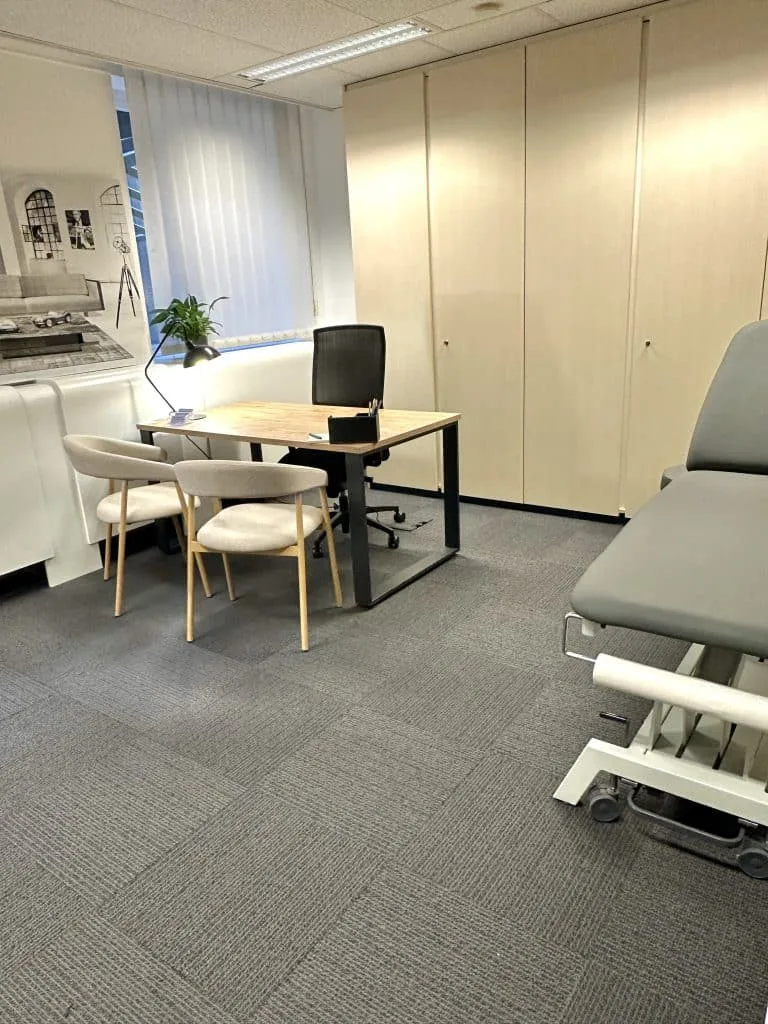
Your first pelvic physiotherapy appointment: what to expect
How to prepare for a first pelvic physiotherapy appointment, describe symptoms and discuss assessment, consent and next steps.
A first pelvic physiotherapy appointment is mainly a chance to explain what is bothering you, what you would like to do more comfortably and what kind of support might help. You do not need to arrive with a diagnosis or agree to an examination you do not understand. These pointers can help you prepare and ask questions at your own pace.
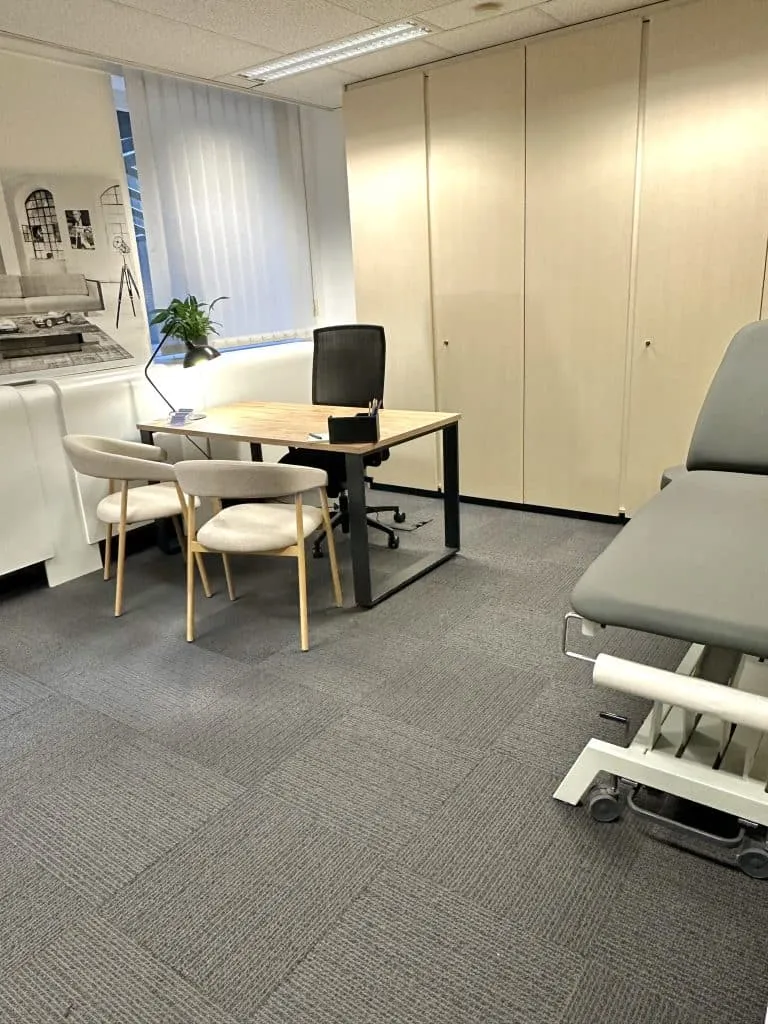
What might you discuss first?
People seek pelvic physiotherapy for different reasons: urinary leakage or urgency, a feeling of heaviness, pelvic discomfort or pain, or difficulty returning to activities after pregnancy or childbirth. Even when two people describe the same symptom, their experience may differ. The first conversation can cover when the problem began, what changes it, how it affects daily life and what matters most to you.
Before the appointment, it may help to note what bothers you, when it happens and what you would like to do more easily. “I want to run without worrying about leakage” is more specific than “I need a stronger pelvic floor.” If you already have a referral, report or instructions from another professional, bring them if available. You do not need a perfect file before asking for help.
Our pelvic and perinatal physiotherapy page explains the area of care. If you have never visited a physiotherapist before, our general first-appointment guide covers practical aspects.
Is an intimate examination automatic?
No. Depending on the reason for your visit, a professional may suggest different observations or assessments. They should explain why an examination might help and what it involves before asking for your agreement. An intimate examination may be discussed in some pelvic-care pathways, but it should not be assumed to happen at everyone’s first appointment. You can ask what information it would provide, whether there are alternatives and whether you can defer it. In Belgium, consent to care is a patient right; you may refuse or withdraw consent.
You do not have to tell your whole story at once. If something is difficult to discuss, you can say so. A physiotherapist working with pelvic-health concerns can help you put your goals into words without reducing the visit to a single symptom. The actual assessment depends on your situation and what you agree to.

What should you ask before leaving?
A few questions can make the next steps clearer:
- What are we trying to learn from the assessment in my case?
- What have you understood about my symptoms, and what remains uncertain?
- If you suggest an examination, what is its purpose and what are my other options?
- How will we tell whether care is helping with my daily activities?
- What changes should prompt me to contact a doctor?
There is no single exercise routine that suits everyone. The approach depends on symptoms, assessment and goals; discomfort or pain is not a reason to start a generic online programme on your own. After the visit, you should be able to describe the proposed next steps and say if something still feels unclear.
When should you seek medical advice first?
Sudden or severe pelvic pain, particularly with faintness, heavy bleeding or rapid worsening, calls for urgent medical assessment. Pain with fever, unusual bleeding or difficulty passing urine also warrants prompt medical advice. Physiotherapy does not replace that assessment. During pregnancy or after childbirth, or when another condition is already being treated, follow the advice of your doctor or midwife.
If it is not an emergency, the first consultation can be a place to describe what you are experiencing and decide with the professional what needs exploring. The goal is not to fit you into a standard protocol, but to leave with a clearer understanding of the proposed approach.
Further reading
- NICE guideline NG210: assessment and pelvic-floor muscle training.
- University Hospitals Sussex NHS: information about a pelvic-health physiotherapy appointment (an example of UK practice, not a description of a Rebalance appointment).
- Belgian Federal Public Service Health: patients’ rights.
- NHS: pelvic pain and when to seek help.
Updated .