
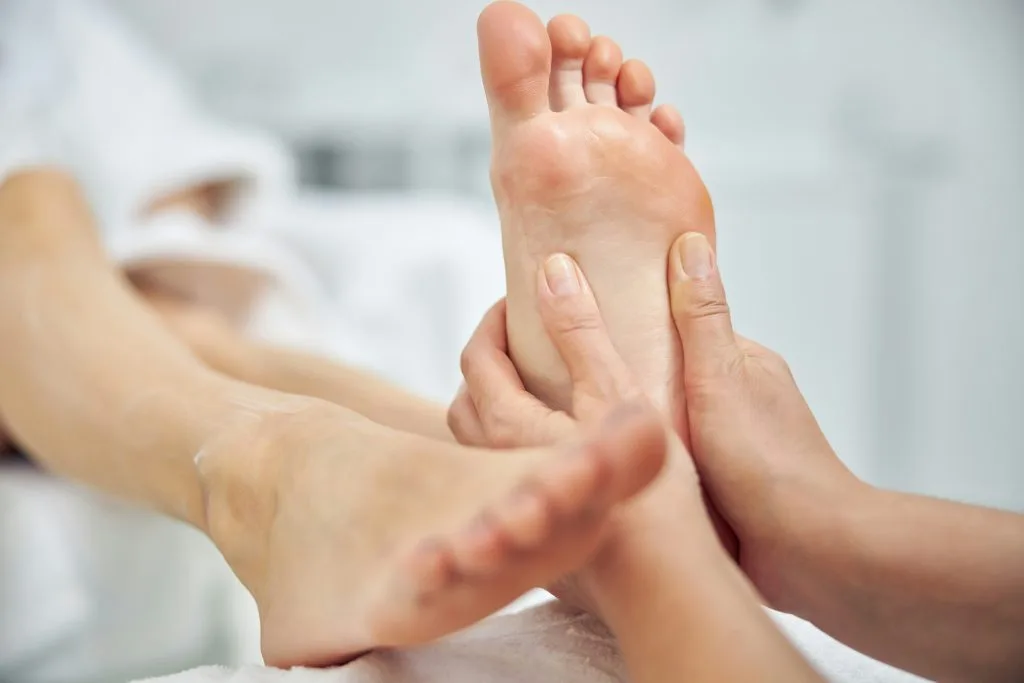
Medical chiropodist - Podiatry
Medical foot care - Podiatry: Medical foot care for targeted treatment
Medical chiropody and the podiatry are paramedical disciplines specialising in the assessment, prevention and treatment of foot disorders and walking disorders. It is based on two complementary pillars:
- the medical chiropodywhich treats skin and nail disorders of the foot,
- the functional podiatryThe focus is on biomechanical analysis and the design of plantar orthoses (orthopaedic insoles).
In our medical centre, care is provided by qualified professionals, in an environment that complies with clinical hygiene standards and in close collaboration with other healthcare professionals.
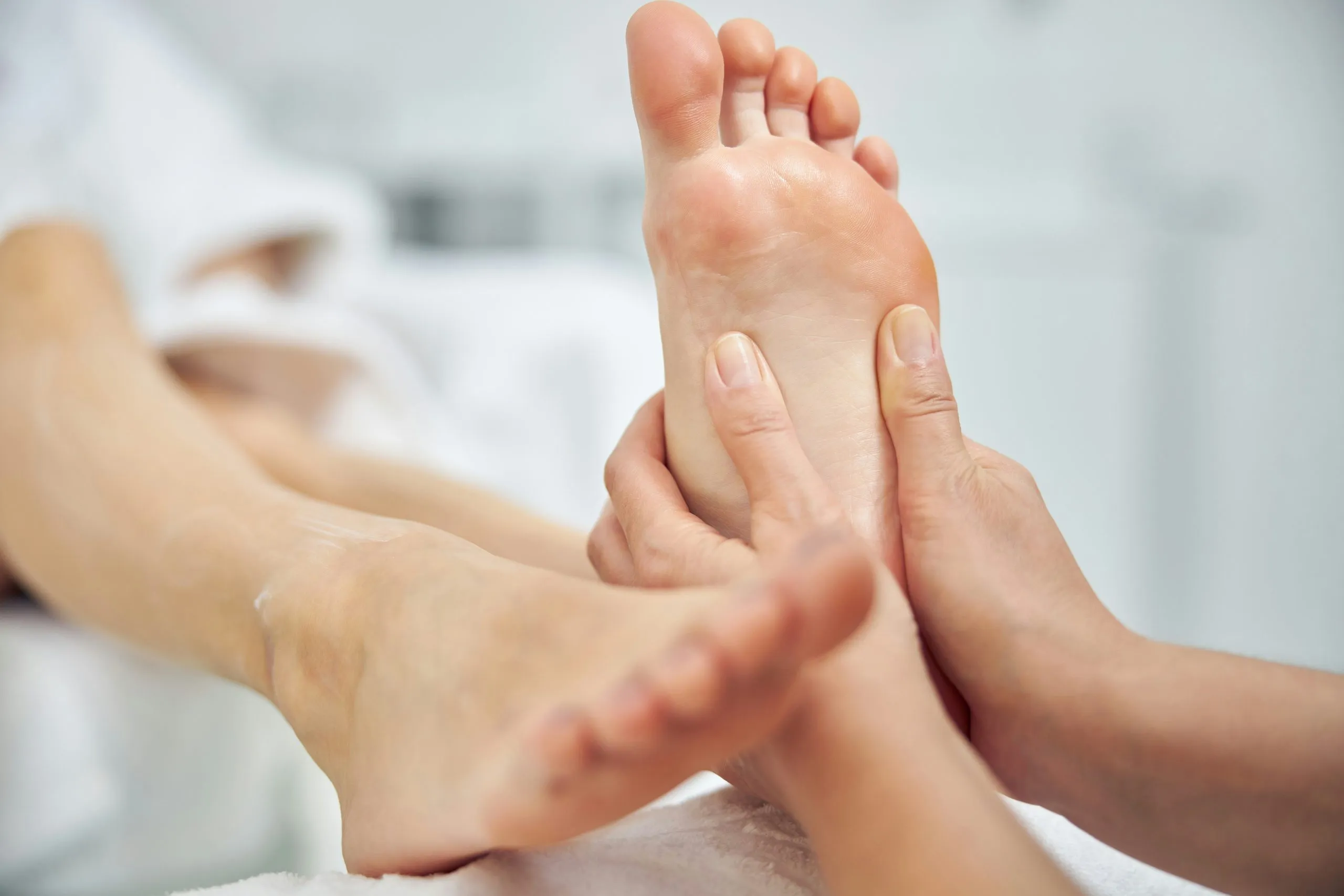
Medical foot care: rigour and prevention
La medical chiropody treats superficial foot ailments that are often painful or at risk of infection. Unlike cosmetic pedicure, it is carried out for therapeutic purposes, within a strictly medical framework.
The most common indications include
- Ingrown toenailsthickened, friable or deformed (onychogryphosis)
- Hornscalluses, painful plantar calluses
- Cracks and fissures in the heelinter-torture maceration
- Nail or skin fungal infections (onychomycosis, intertrigo)
- Diabetic or arterial foot regular monitoring to prevent serious injuries
Each treatment is individualised, painless, carried out with sterile equipment, and can be part of an overall treatment plan. prevention protocol for patients at risk (diabetics, venous insufficiency, neuropathic patients).
Expertise in functional and postural podiatry
Our chiropodists are also trained in the evaluation of problems with posture and plantar support. Through clinical and dynamic analysis (gait examination, impressions, functional tests), they identify dysfunctions that may be causing chronic pain or recurring pathologies.
The custom-made orthopaedic insoles may be prescribed in the following cases:
- Plantar pain, tendonitis, metatarsalgia, fasciitis
- Static disorders (flat, hollow, pronator or supinator feet)
- Joint pathologies (knee, hip, back) linked to posture
- Injury prevention for athletes
- Post-traumatic or post-surgical compensation
- Growth and support disorders in children
Management of at-risk feet
Regular monitoring of feet at risk (diabetic, arterial, neuropathic) is essential to prevent serious complications such as chronic wounds, infections or amputations. Our specialists provide :
- coordination with GPs, diabetologists and angiologists.
- evaluation of podiatric risk grade according to international criteria,
- the clinical monitoring,
- appropriate preventive care and treatment,
Our specialists

Dana Sarhan
Chiropodist