Geoffrey Buguinet
D.O. Osteopath

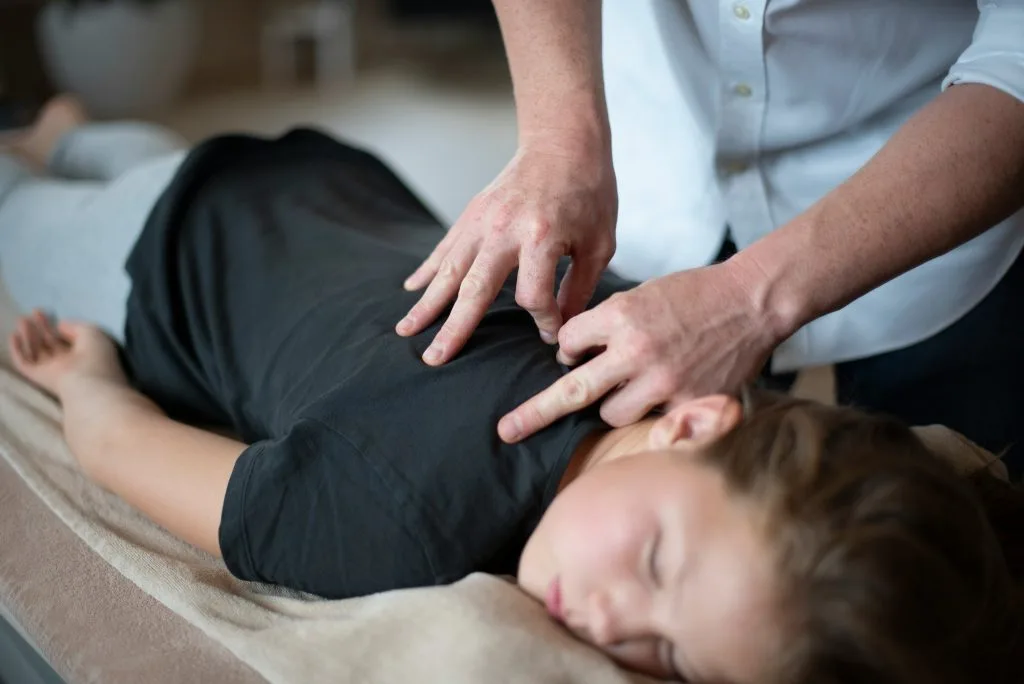
Learn what an osteopathy consultation involves, what to ask beforehand and how to find both Rebalance osteopaths and their calendars.
An osteopathy appointment begins with a discussion and assessment of your situation. This helps establish whether manual techniques, advice or another care pathway may be appropriate. Your symptoms, medical history and preferences guide that discussion.
Ask about a technique’s purpose, possible reactions and alternatives. You can decline a technique or request a pause. A joint making a cracking sound is not a consultation goal. Neither an outcome nor a number of visits can be guaranteed in advance.
Osteopathy does not replace medical assessment of new or concerning symptoms or prescribed treatment. Physiotherapy may be appropriate for active rehabilitation and a return to function. Our physiotherapy or osteopathy guide explains how to prepare that discussion.
Note what has changed in daily life and what you hope to discuss. Bring relevant reports and details of current medicines. Confirm fees, possible insurance reimbursement and cancellation arrangements when booking.
Geoffrey Buguinet and Nathan Heuskin consult at Avenue Louise 200. See our Ixelles osteopathy page for local details and the profiles below for hours and calendars. Read the first appointment guide for preparation.
People may consult for back or neck pain, stiffness after an effort, posture-related discomfort, jaw tension or discomfort during pregnancy. These reasons do not determine on their own whether treatment is appropriate: the discussion and examination help understand your situation and decide whether another pathway is preferable.

After your appointment, ask which movements or habits can be resumed gradually and when to contact your doctor. When the main goal is to recover a function through exercise, physiotherapy may complement your care. Geoffrey Buguinet and Nathan Heuskin, osteopaths in Ixelles, work within the centre’s multidisciplinary setting.
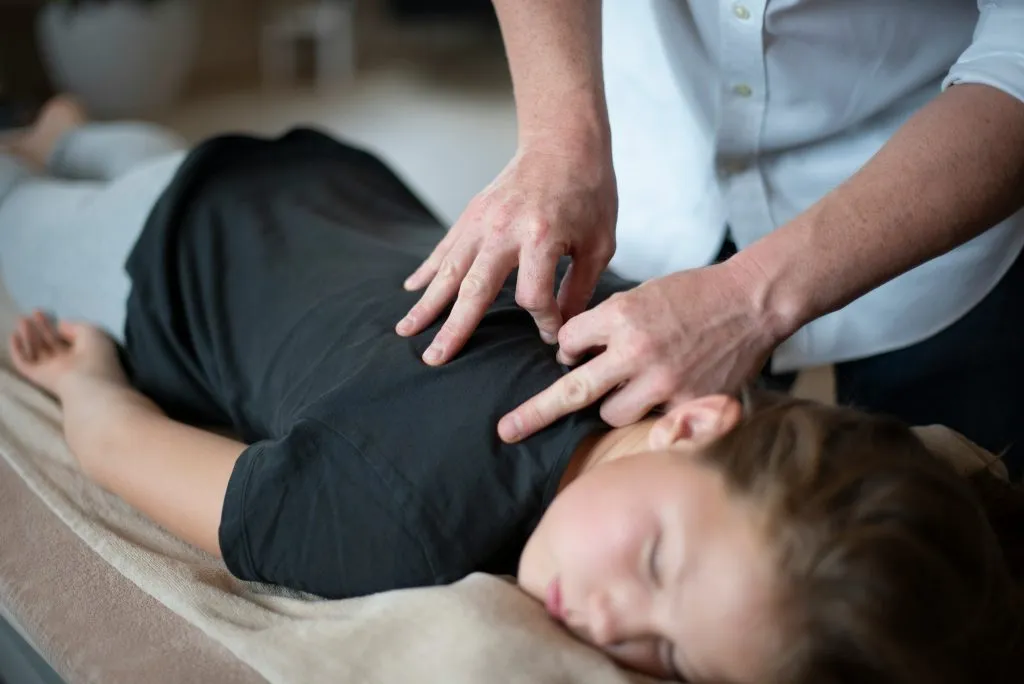
The consultation may include questions about pain, medical history, medicines and activities that have become difficult. The osteopath may observe selected movements and manually examine the relevant joints, muscles and tissues. Assessment also helps identify situations that should be directed to a doctor or another professional.
Mobilisation, soft-tissue techniques, simple exercises or advice may be offered according to assessment. You should know the purpose, possible reactions and alternatives before agreeing. Temporary sensitivity can sometimes follow manual treatment; contact the practitioner if it is severe, persistent or accompanied by unusual symptoms.
General Osteopathic Council: preparing a consultation, for the general process and consent. UK professional rules are not presented as Belgian rules.
Updated .
Practical information