
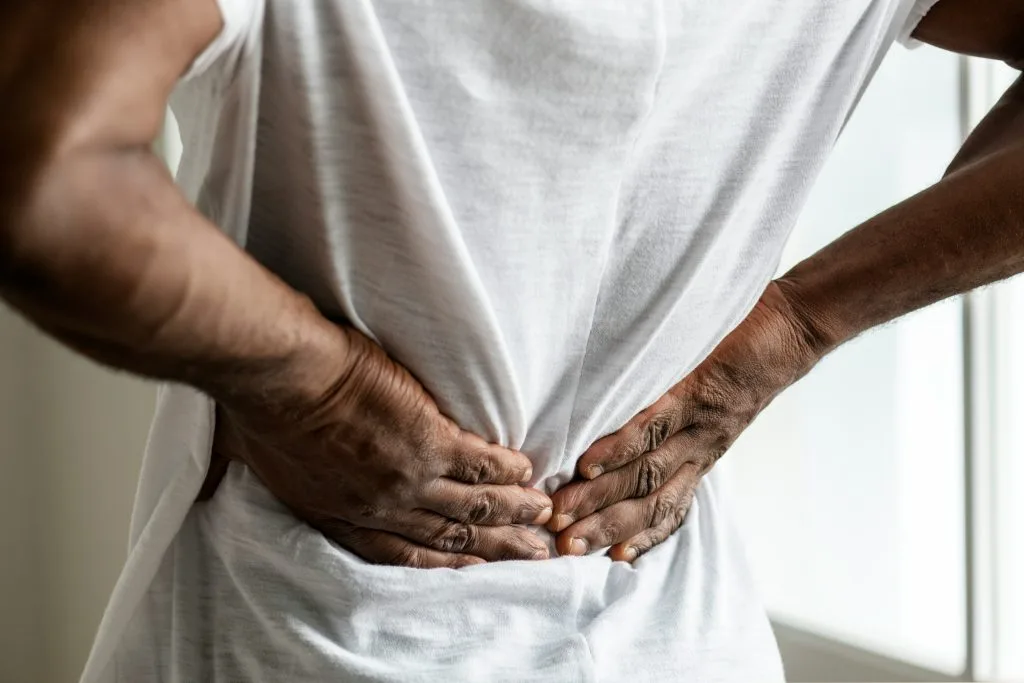
Lower back pain: everyday activity and planning care
Back pain affecting daily life or coming back? Understand practical next steps, warning signs and questions to discuss when planning care.
With lower back pain, a useful goal is gradually returning to activities that matter to you. For common low back pain, adapted activity is part of care. That does not mean ignoring worsening symptoms or using the same exercise for every back problem.
Adjusting everyday activity
Choose something tolerable, such as a short walk, and adapt its duration. Alternate tasks and positions. A simple goal such as preparing a meal or going outside makes progress easier to describe. Assurance Maladie explains the role of movement in low back pain.
Follow any restrictions given after surgery or for a particular condition. Prolonged bed rest is not a general recovery strategy, but some situations require different care. Ask the professional following you if you are unsure.
Warning signs
New loss of bladder or bowel control, numbness around the genitals or anus, or weakness or sensory changes in both legs need urgent assessment. Seek prompt advice after a major accident or for back pain with fever and feeling unwell. The NHS back pain guidance explains these warning signs. In Belgium, call 112 in an emergency.
When pain persists or returns
Note difficult tasks, what remains possible and changes over time. Persistent pain calls for reviewing the plan rather than accumulating techniques. Sleep, work demands and worries can be discussed without suggesting the pain is imaginary.
Bring details of treatment, existing reports and advice already received. A doctor decides whether new investigations are needed; an image is not something you need to arrange yourself before every physiotherapy appointment.
Goals to discuss
Which activity matters first? What plan fits your week? Which changes should prompt an adjustment? These questions help make advice practical. No timetable can guarantee that every episode of back pain will resolve.
If your goal is to return to sport, the questions depend on the activity: our cycling and back-pain page helps you describe your rides and position, while the fitness after pain page looks at returning to loads and movements. These contexts support an individual assessment.
Options at Rebalance
Our physiotherapy introduction explains assessment and rehabilitation. The physiotherapy or osteopathy guide helps prepare a discussion of care options. Local service pages then introduce the teams and their calendars.
Updated .