
Jaw clicking or locking: what should you do and who should you see?
Jaw clicking, pain or locking: know when to seek care, what to note before an appointment and how a dentist, doctor or physiotherapist may help.
Clicking without pain or difficulty opening your mouth is common and usually needs no treatment. If your jaw hurts, opens less freely or locks, seek an assessment from a dentist or doctor. This guide helps you describe what is happening and choose whom to see; it cannot identify the cause remotely. These distinctions follow guidance from the National Institute of Dental and Craniofacial Research (NIDCR).
When should you seek prompt care?
Get assessed promptly if you can no longer open or close your mouth normally, the locking persists, pain worsens, or you cannot eat or drink. After a blow to the face, or if your jaw seems out of place, do not wait for a routine appointment. The NHS advises urgent assessment for a locking jaw or substantial difficulty opening the mouth.
Tooth pain with facial swelling or fever may signal an infection: contact a dentist promptly. If swelling makes it hard to breathe, speak or swallow, call emergency services (112 in Belgium). The warning signs of a dental abscess should not automatically be attributed to the jaw joint.
Clicking, pain or locking: what should you observe?
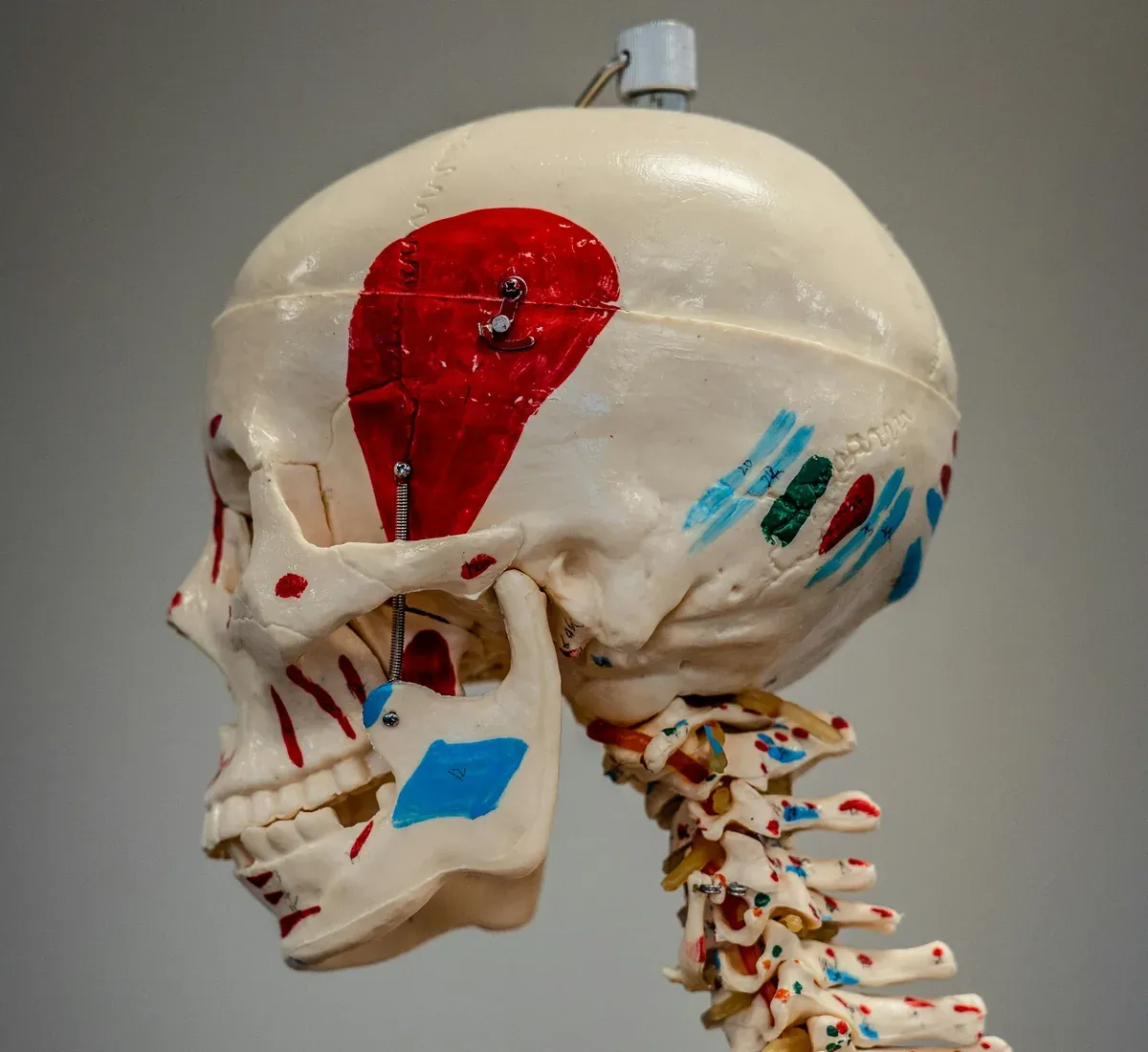
The temporomandibular joint, or TMJ, connects the lower jaw to the skull just in front of each ear. There is one on each side. The joints help you speak, chew and yawn; the chewing muscles matter too. A noise, pain and locking may therefore have different explanations.
Before your appointment, make a brief note on your phone or on paper:
- Onset and changes: when the noise or discomfort began, whether it affects one or both sides, whether it followed an injury, and how it has changed.
- Function: can you open and close your mouth as usual? Is chewing, speaking or waking up associated with symptoms? Does it actually lock, and for how long?
- Other symptoms: pain near the ear, teeth or face, headaches, swelling, fever, and what makes things better or worse.
- Relevant history: jaw clenching or tooth grinding, recent dental care, examinations, medicines and advice already received. Bring any documents you have.
Do not force a locked jaw or try to put it back into place yourself. If movement hurts, avoid deliberately making it click to test it. The NIDCR recommends starting with simple, reversible measures after an assessment, including reducing habits such as clenching or chewing gum.
Dentist, doctor or physiotherapist: who does what?
A dentist can examine your teeth, gums, bite and jaw muscles, look for a dental cause and discuss suitable options. Clicking alone is no reason to permanently change the teeth or bite: the NIDCR urges caution with irreversible treatments.
A GP is a useful first contact if pain spreads, other symptoms worry you or the cause is unclear. A dentist or doctor may arrange specialist input or investigations when the assessment calls for them; imaging is not automatic.
Maxillofacial physiotherapy can, after an assessment, address jaw function, movement and habits that may contribute to discomfort. At Rebalance, Sophie Carlier, a physiotherapist working in maxillofacial rehabilitation describes her background and appointment options on her profile. Exercises or hands-on techniques depend on the findings and any dental or medical advice. For persistent pain associated with a temporomandibular disorder, a clinical guideline published in the BMJ supports certain supervised exercises and therapist-assisted mobilisation; it concerns chronic pain, not every click or recent lock.
For more context, see our guides to tooth grinding and reduced mouth opening. They may help you prepare questions, but cannot replace an examination.
Three questions to bring to your assessment
- “Which possible causes should be checked in my case, including dental and joint causes?”
- “What can I safely do while waiting, and what should I avoid?”
- “Which changes mean I should seek another assessment, and how soon?”
An assessment can clarify next steps, but a photograph, an online description of a sound or a generic exercise cannot promise a diagnosis or a cure.
Updated .